Cart
0

Why Convenience Is the New King in Consumer Behavior and Retail Strategy
Convenience has shifted from a mere bonus to the fundamental driver in how consumers choose products and services today. With technology and evolving lifestyles at the forefront, seamless, time-saving experiences now dictate retail strategies and consumer expectations across industries.
Estimated Reading Time
7 minutes
Key Takeaways
- Convenience is now a core consumer value influencing purchasing decisions worldwide.
- Consumers are willing to pay a premium (around 5%) for products and services that save time and reduce effort.
- Technology, especially AI and automation, fuels personalized and seamless shopping experiences.
- Omnichannel retailing integrates online and offline channels for a consistent, hassle-free experience.
- Reducing mental load by simplifying choices enhances consumer satisfaction and loyalty.
- Brands must innovate and customize convenience offerings to thrive in a fast-paced, fragmented market.
Table of Contents
- Convenience: The Core Value Driving Today's Consumer Choices
- Why Convenience Matters More Than Ever
- Why Consumers Are Willing to Pay More
- Convenience Is Transforming Multiple Industries
- Technology Fuels the Convenience Transformation
- Omnichannel Convenience Is the Future of Experience
- Reducing Mental Load: The Emotional Side of Convenience
- Practical Steps for Brands and Retailers
- The Future of Convenience: Ahead of the Curve
- FAQ
1. Convenience: The Core Value Driving Today's Consumer Choices
In today’s fast-paced world, convenience has become the defining attribute consumers seek in products and services. It is no longer a luxury but a necessity, influencing decisions from e-commerce purchases to healthcare services. Time-saving, effortless, and seamless experiences resonate with busy lifestyles and fragmented daily routines. According to a Morgan Stanley survey, more than 50% of U.S. shoppers are willing to pay extra for enhanced convenience, showing its undeniable impact on consumer behavior.
2. Why Convenience Matters More Than Ever
The market has evolved beyond the traditional factors of price and product quality. Modern consumers expect frictionless buying journeys that reduce mental effort and give them greater control and flexibility. Convenience allows consumers to shop on their terms without disrupting their complex schedules.
- Free or fast shipping ranks as a top factor for purchase decisions, especially among younger and wealthier consumers.
- Retailers removing friction points can increase consumer retention and satisfaction significantly.
3. Why Consumers Are Willing to Pay More
Consumers are explicit about their preference for convenience and demonstrate this by paying approximately 5% more for goods and services that ease their daily lives. This phenomenon is particularly prominent in the U.S., where services like DoorDash and Uber Eats thrive by monetizing quick delivery and ease of use.
“Ease of use and speed now outrank price in consumers’ priorities, redefining how value is perceived in the marketplace.”
4. Convenience Is Transforming Multiple Industries
Convenience is driving innovation across diverse sectors:
- E-commerce: Streamlined interfaces, one-click purchases, and rapid deliveries.
- Food Delivery: On-demand meals with real-time tracking.
- Digital Entertainment: Personalized content and instant streaming.
- Healthcare: Telemedicine and subscription models for medications.
- Beauty: Virtual try-ons and subscription boxes.
Products and services designed for modularity and multifunctionality that fit intricate lifestyles enjoy a competitive edge.
5. Technology Fuels the Convenience Transformation
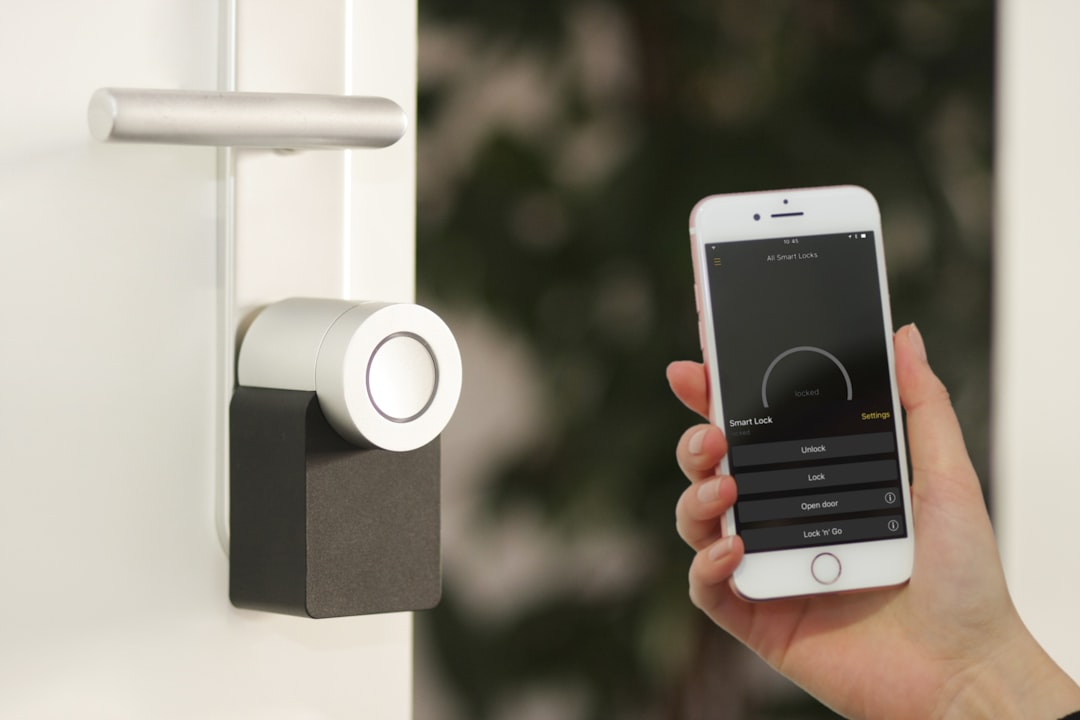
Artificial intelligence and automation stand at the heart of this convenience revolution. Technologies allowing personalized recommendations, subscription services, virtual try-ons, smart-home integration, and automated fulfillment streamline the shopping journey from start to finish.
- AI anticipates consumer needs before they arise.
- Automation speeds up order processing and delivery.
- Smart devices simplify repeated and routine purchases.
6. Omnichannel Convenience Is the Future of Experience
Seamless integration across online and offline shopping is no longer optional but essential. Retailers combine click-and-collect, mobile apps, accurate product data, and rapid delivery with AI-powered physical stores acting as mini distribution hubs.
This omnichannel strategy guarantees a consistent and fast experience regardless of how or where consumers shop.
7. Reducing Mental Load: The Emotional Side of Convenience
Consumers today face overwhelming choices that contribute to mental fatigue. To tackle this, retailers:
- Curate product assortments to minimize decision paralysis.
- Implement AI-driven visual search and recommendation tools.
- Simplify purchasing paths and introduce subscription services for repeat buys.
These approaches not only enhance ease but build trust and loyalty through emotional relief.
8. Practical Steps for Brands and Retailers
To lead in the convenience-first economy, businesses must:
- Invest in advanced technology and automation tools.
- Innovate products with modular and multifunctional features.
- Enhance omnichannel integration, ensuring consistent experiences.
- Transform brick-and-mortar stores into efficient, AI-equipped hubs.
- Align marketing to communicate convenience clearly and effectively.
- Tailor convenience offerings respecting cultural and demographic preferences.
Prioritizing efficiency, emotional relief, and relevance unlocks growth and fosters lasting customer loyalty.
9. The Future of Convenience: Ahead of the Curve
The convenience landscape will continue evolving, shaped by:
- More sophisticated AI enabling hyper-personalized experiences.
- A balanced blend of practical utility and enjoyable hedonism.
- A growing emphasis on sustainability integrated into convenience solutions.
By mastering technology and understanding consumer psychology, brands can deliver empowering, effortless experiences that define success in future markets.
Discover how you can elevate your shopping convenience with innovations from leading retailers.
FAQ
What makes convenience so important to consumers today?
Convenience saves time, reduces mental effort, and offers flexible options that fit into busy, fragmented lifestyles. It enhances the shopping experience by minimizing friction and frustration.
Are consumers really willing to pay more for convenience?
Yes, studies indicate that many consumers, especially in the U.S., pay approximately 5% more for products and services that deliver added convenience, prioritizing ease and speed over cost savings.
How is technology changing retail convenience?
AI and automation enable personalization, streamline fulfillment, and create seamless omnichannel experiences. Examples include AI recommendations, virtual try-ons, subscription models, and AI-powered stores acting as fulfillment hubs.
What can retailers do to improve convenience for customers?
Retailers can invest in technology, simplify purchase journeys, offer flexible delivery options, curate product selections to reduce choice overload, and tailor their strategies to specific customer needs and preferences.
Is convenience important across all industries?
Absolutely. From e-commerce and food delivery to healthcare and beauty, convenience drives innovation and consumer preferences across multiple sectors.