Cart
0
Smart Home Improvements: Enhancing Comfort, Efficiency, and Security
Discover how modern smart home upgrades can transform your living space by boosting convenience, saving energy, strengthening security, and increasing property value—all without complicated installations.
Estimated reading time: 12 minutes
Key Takeaways
- Modular smart outlets like Swidget provide flexible, future-proof control without extensive rewiring.
- Smart air quality sensors and ventilation systems enhance health and comfort while conserving energy.
- Smart thermostats combined with HVAC zoning optimize climate control and reduce utility bills by up to 30%.
- Motion sensors support energy savings and security through automated lighting and alerts.
- Budget-friendly DIY smart devices enable accessible home automation without breaking the bank.
- Tailoring smart upgrades to your local climate and neighborhood maximizes comfort and ROI.
Table of Contents
- 1. Modular Smart Outlets and Switches
- 2. Indoor Air Quality Enhancements
- 3. Smart Thermostats and HVAC Zoning
- 4. Motion Sensors for Energy and Security
- 5. Convenient Automation Features
- 6. Smart Security Systems
- 7. Smart Lighting Solutions
- 8. Affordable DIY Smart Devices
- 9. Future-Proofing and Device Flexibility
- 10. Tailoring Upgrades to Climate and Neighborhood
- 11. Increasing Property Value with Smart Upgrades
- 12. Financing Smart Home Improvements
1. Modular Smart Outlets and Switches
Swidget exemplifies the cutting edge in modular smart outlets and switches designed for effortless installation with minimal rewiring. Their customizable inserts allow you to tailor smart functionality to your evolving needs.
- Customizable Inserts: Swap modules for air quality sensors, USB ports, dimmers, and more.
- Sleek Design: Low-profile units that blend unobtrusively into home décor.
- Wireless & Battery-Free: Zero maintenance with wireless communication and no batteries.
- Future-Proof: Easily upgrade or change modules without replacing the entire outlet.
These outlets serve as the core hub for managing lighting, appliances, and automated environments, enabling a smart home ecosystem that evolves with technology.
Discover more about Swidget modular smart controls here.
2. Indoor Air Quality Enhancements
Maintaining healthy indoor air improves wellbeing and comfort. Smart sensors detect pollutants like carbon dioxide, VOCs, and humidity, and when connected to intelligent ventilation systems (such as those by Panasonic), airflow is automatically regulated for freshness and energy savings.
- Health Benefits: Reduction of allergy triggers and asthma symptoms; mold prevention.
- Energy Conservation: Ventilation runs only when necessary.
- Maintenance Alerts: Real-time notifications for filter changes and upkeep.
Ideal for polluted areas or homes with vulnerable occupants.
Explore Panasonic’s smart air quality controls here.
3. Smart Thermostats and HVAC Zoning
HVAC zoning divides your home into independently controllable areas. Combined with smart thermostats, this strategy enables precise heating and cooling tuned to occupancy and personal preferences.
- Energy Savings: Cut utility bills by 10-30% by only conditioning occupied zones.
- Remote Control: Adjust temperatures from anywhere via smartphones.
- Adaptive Learning: Systems analyze routines and weather to optimize settings.
- Value Boost: Recognized positively in home appraisals.
Devices are priced between $150 and $350, representing a valuable investment in comfort and savings.
4. Motion Sensors for Energy and Security
Motion sensors enhance energy efficiency by automatically controlling lights and improve home security by alerting you to unexpected activity.
- Energy Optimization: Lights switch off when rooms are unoccupied.
- Safety: Illuminate dark areas as people approach.
- Security Alerts: Instant notifications for irregular movement, regardless of your location.
Many models support easy DIY installation and customization through smartphone apps, making smart home upgrades accessible and effective.
5. Convenient Automation Features
Smart automation simplifies daily routines by syncing devices to your habits.
- Lighting Schedules: Automatically adjust lights per daily routines or sunrise/sunset.
- USB Charging Outlets: Integrate power and charging in a sleek package.
- App and NFC Triggers: Start complex routines with a tap, like brewing coffee, turning on lights, and playing music.
These conveniences relieve you from repetitive tasks and create seamless daily experiences.
6. Smart Security Systems
Advanced smart security devices blend convenience with peace of mind:
Video Doorbells
- Two-way audio for remote communication
- Real-time video and motion alerts delivered to smartphones
- Monitor package deliveries to thwart theft
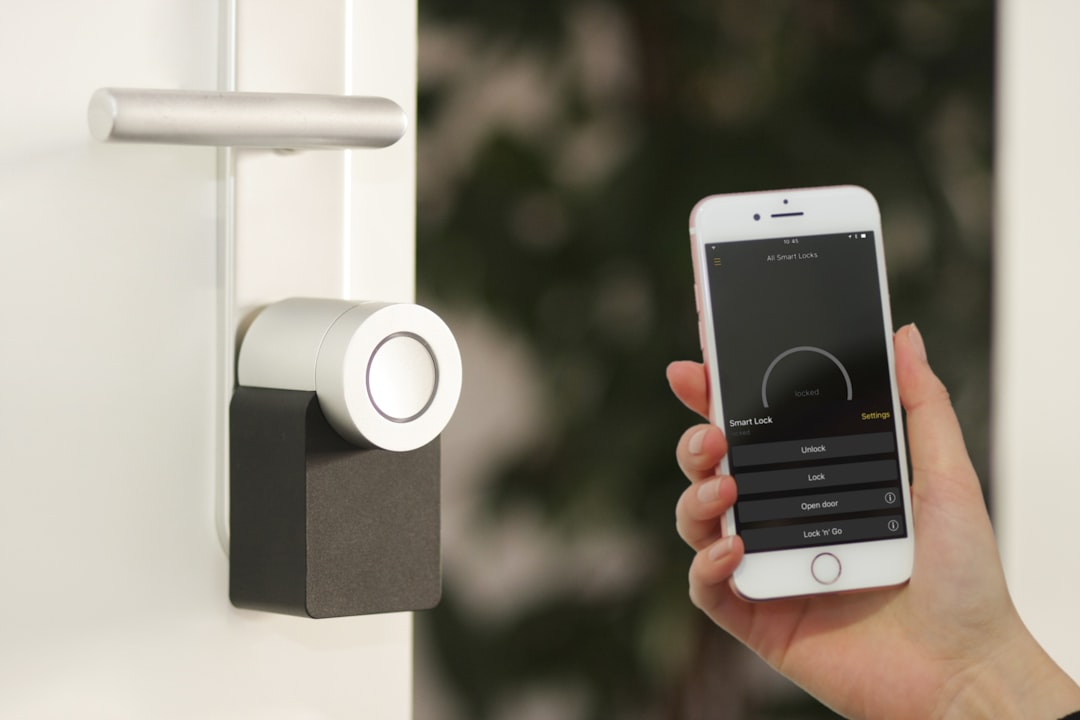
Smart Locks
- Issue temporary or permanent access codes
- Remote locking/unlocking removes need for physical keys
- Integrates with other security systems for unified control
Modular smart security systems scale to your home’s size and security needs without complex setups.
7. Smart Lighting Solutions
Lighting upgrades offer vast versatility to enhance ambiance, save power, and boost safety.
Indoor Smart Lighting
- Smart bulbs enable color changes and dimming.
- Motion-activated switches prevent energy waste.
- Lighting schedules matched to circadian rhythms promote well-being.
Outdoor Smart Lighting
- Motion sensors illuminate porches and pathways for security.
- Programmed lighting enhances curb appeal.
- Solar-powered options reduce utility expenses.
8. Affordable DIY Smart Devices
Smart home technology is accessible even on a budget through creative DIY automation:
- NFC Tags: Trigger customized routines with a smartphone tap.
- Vibration Sensors: Receive alerts when appliances complete cycles.
- Economical Motion Sensors: Cost-effective solutions for lighting and security.
- Smart Plugs (e.g., Sonoff S31): Monitor energy use and schedule devices remotely.
- DIY Bed Sensors: Automate lights when going to bed.
Open-source hardware and firmware ease setup and customization, eliminating professional installation needs.
9. Future-Proofing and Device Flexibility
Choosing modular systems with broad device compatibility offers numerous advantages:
- Easy Upgrades: Add or swap modules as technology evolves.
- Reduced Installation Hassles: Avoids major rewiring and full-system replacements.
- Increased Resale Appeal: Buyers appreciate adaptable, resilient smart homes.
Swidget’s modular outlets exemplify this strategy, allowing homeowners to maintain a modern smart home effortlessly.
10. Tailoring Upgrades to Climate and Neighborhood
Smart homes perform best when adapted to local conditions:
- Warm Climates: Prioritize smart cooling, solar integration, window treatments, and pool automation.
- Cold Regions: Install heating zone controls, pipe freeze sensors, and snow/ice management systems.
- Drought-Prone Areas: Use smart irrigation and moisture sensors to conserve water.
Customizing smart upgrades ensures optimal comfort, energy efficiency, and an attractive return on investment.
11. Increasing Property Value with Smart Upgrades
Not all smart home features equally influence resale value. Homeowners should focus on:
- Energy Efficiency: Intelligent thermostats and lighting systems reduce utility bills.
- Security: Video doorbells, smart locks, and smoke/CO detectors elevate safety.
- User-Friendly Technology: Avoid overcomplicated systems; opt for simple, reliable devices.
- Integrated Systems: Devices that work together are valued more than standalone units.
Smart home upgrades can enhance aesthetics, speed up sales, and potentially increase offers.
12. Financing Smart Home Improvements
Large-scale smart home projects can require significant investment. Equity sharing offers a practical financing option:
- What Is Equity Sharing? Partner with investors who fund upgrades in exchange for a portion of home equity.
- Benefits: No increase in monthly payments, spreads costs over time, enables large projects.
- Best Use Cases: Full automation systems, HVAC overhauls, solar panel installations, and advanced security setups.
This funding strategy makes high-value smart tech accessible while encouraging impactful adoption.
“Smart home upgrades aren’t just trends — they’re strategic investments that enhance comfort, security, and long-term value.”
By starting with foundational upgrades like modular outlets, thermostats, and security devices, then progressing to convenience and DIY automation, you create a smart ecosystem tailored to your lifestyle and future needs. Consider your climate, budget, and projected requirements to select the right technologies and enjoy a smarter, safer, and more energy-efficient home.