Cart
0

The Ultimate Guide to One-Stop Shop Retail Models: Convenience and Growth in Indian Markets
Explore how the one-stop shop retail model is revolutionizing Indian shopping habits by combining convenience, variety, and trust through seamless online and offline experiences.
Key Takeaways
- One-stop shops streamline the customer journey by offering diverse products and services in a single platform.
- India’s digital ecosystem and rising smartphone penetration accelerate the adoption of omnichannel retail models.
- Businesses benefit from stronger customer retention, higher order values, and efficient logistics through one-stop models.
- Challenges include maintaining quality, specialization, and managing operational complexities.
- Success in the Indian market requires curated depth, trust mechanisms, digital maturity, and strong local partnerships.
Table of Contents
- What Is a One-Stop Shop? Understanding the Concept
- Why One-Stop Shops Are the Future of Customer Convenience
- Business Advantages: Why Companies Choose One-Stop Shop Models
- The Historical Evolution of One-Stop Shops
- One-Stop Shop Examples Transforming the Market
- Why the Shift from Offline to Online One-Stop Shops Matters
- Challenges and Limitations of the One-Stop Shop Model
- The Rapid Rise of One-Stop Shops in the Indian Market
- How Indian One-Stop Shops Can Win in a Competitive Market
- Final Thoughts: Why One-Stop Shops Are Here to Stay
1. What Is a One-Stop Shop? Understanding the Concept
Celebrate the season with savings — get 5% off your order using code EXCLUSIVE5 at checkout
In a fast-paced world where efficiency matters, the one-stop shop emerges as a practical retail solution. Whether physical, digital, or hybrid, it consolidates multiple product and service categories, enabling customers to fulfill diverse needs in one visit or transaction.
This model simplifies shopping by reducing steps and points of interaction, fostering faster transactions and building trust. For businesses, it opens new opportunities to deepen customer relationships and increase revenues through bundled offers and smart cross-selling.
India’s growing digital ecosystem—with widespread smartphone usage, digital payments, and e-commerce growth—has fueled the rise of one-stop shops that seamlessly blend online and offline commerce.
Discover more about what makes a one-stop shop work.
2. Why One-Stop Shops Are the Future of Customer Convenience
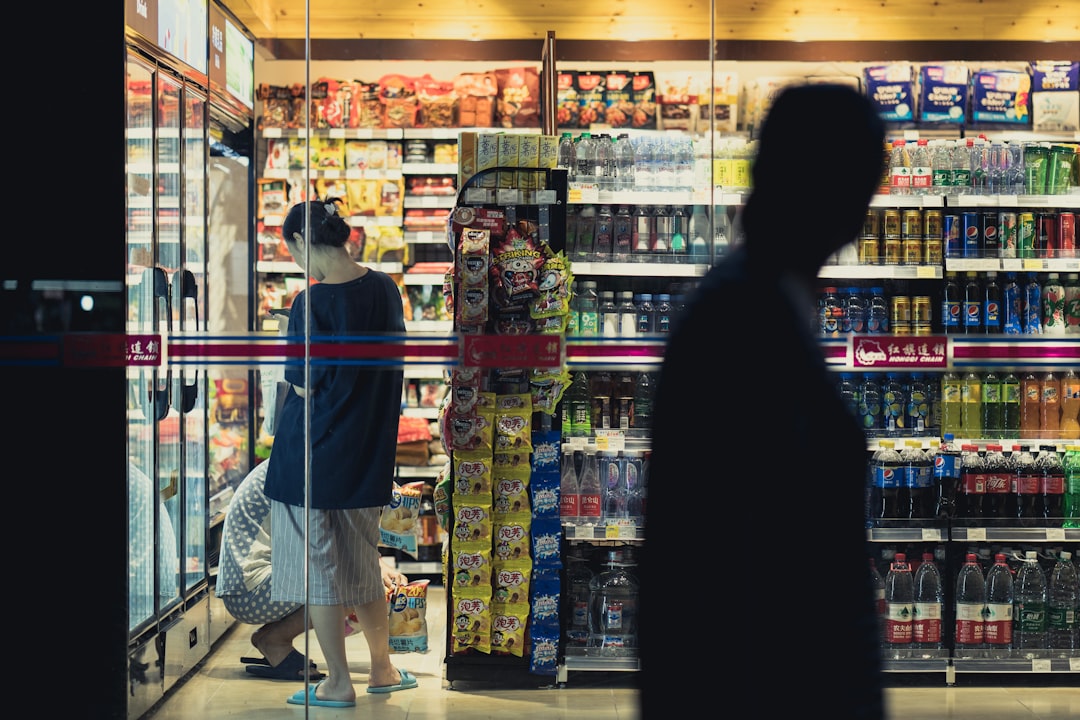
Convenience is at the heart of the one-stop shop's appeal. Customers benefit from accessing groceries, fashion, electronics, and services all in one place—be it a website, app, or physical store.
- Time savings: Fewer errands create more free time for priorities.
- Simplified communication: A single contact point reduces friction for orders, delivery, and support.
- Competitive pricing: Bundled deals and cross-category discounts drive cost savings.
- Consistency and trust: Dependable service fosters customer loyalty.
Omnichannel strategies, combining e-commerce, physical stores, and mobile experiences, provide real-time inventory, flexible payments, and efficient returns—making shopping intuitive and seamless.
Explore more on India’s shift toward omnichannel retail.
3. Business Advantages: Why Companies Choose One-Stop Shop Models
Beyond customers, businesses gain significant advantages by adopting one-stop shops:
- Improved customer retention: Meeting multiple needs increases repeat visits.
- Greater average order values: Cross-category promos encourage higher spending.
- Easier logistics: Centralized inventory and streamlined delivery reduce costs.
- Brand credibility: Offering reliable, diverse products strengthens market position.
- Efficient service management: Unified customer service enhances response time and satisfaction.
Digital tools like AI-driven recommendations and integrated loyalty programs further boost cross-selling and retention. Indian platforms actively analyze user behavior to suggest compelling bundles that increase basket size and purchase frequency.
Learn how Indian businesses leverage the one-stop shop model.
4. The Historical Evolution of One-Stop Shops
The one-stop shop concept is not new but has continually adapted to changing consumer preferences and technology:
- Early 20th Century: Department stores offered a diverse range under one roof, reducing multiple visits.
- 1980s: Financial supermarkets bundled banking, insurance, and investments in one place.
- Digital Era: E-commerce giants like Amazon and Flipkart put everything from appliances to healthcare into a single cart.
- Today: Omnichannel retail blends digital ease with physical convenience, transforming expectations in dynamic markets like India.
5. One-Stop Shop Examples Transforming the Market
E-Commerce Giants Leading the Way
- Amazon: From books to groceries, electronics, and streaming, Amazon exemplifies one-stop convenience with its vast catalog and trusted logistics.
- Flipkart: Indian e-commerce pioneer expanding from fashion and tech to rapid quick-commerce delivery.
Specialty and B2B Platforms
Platforms like Romegamart specialize in niche markets such as water purification, integrating product sales, installation, and maintenance into a unified B2B experience.
Physical and Hybrid Retailers
- Big-box stores: Costco and Walmart offer groceries, electronics, healthcare, and even financial services in one location.
- Specialized service centers: Automotive hubs combining repairs and insurance processing highlight operational flexibility.
6. Why the Shift from Offline to Online One-Stop Shops Matters
Online platforms have removed physical constraints, vastly increasing product variety and personalization:
- Endless selection: Thousands of products available beyond shelf limits.
- Transparency: User reviews and detailed specs empower confident purchasing.
- Support: Simple returns and 24/7 assistance build trust.
- Anytime access: Shopping across regions and time zones with just a few taps.
Yet, replicating the personal touch and ensuring quality remain ongoing challenges for these digital-first platforms.
Read more on India’s digital one-stop revolution.
7. Challenges and Limitations of the One-Stop Shop Model
Despite their strengths, one-stop shops face critical challenges:
- Diluted expertise: Covering many categories risks uneven quality or shallow specialization.
- Quality assurance: Managing varied sellers and products increases inconsistency risks.
- Consumer dependence: Limited external options may reduce choice flexibility.
- Operational demands: Complex inventory, logistics, and support require robust systems.
- Competitive pressure: Traditional and niche players continuously vie for customer attention.
“Brands that master the balance of technology, vendor management, and a customer-first approach are best positioned for long-term growth.”
Insights on these operational challenges can be further explored here.
8. The Rapid Rise of One-Stop Shops in the Indian Market
India’s retail landscape is transforming rapidly due to unique factors:
- Digital adoption: Affordable smartphones and mobile internet connect consumers everywhere.
- Diverse demand: Urban and rural shoppers seek trustworthy, broad platforms.
- Retail-tech fusion: Kirana stores adopt digital ordering and fulfillment, creating hybrid models.
- Infrastructure upgrades: Warehouses and last-mile hubs shorten delivery times and boost reach.
While Amazon and Flipkart lead general retail, platforms like Romegamart target speciality verticals. Quick-commerce, powered by dark stores, is speeding delivery to hyperlocal customers.
Explore India’s evolving retail sector here and learn about the quick-commerce boom.
9. How Indian One-Stop Shops Can Win in a Competitive Market
To thrive, platforms must focus on:
- Curated depth: Broad assortments matter, but deep selection in key categories builds credibility.
- Trust-building: Verified sellers, transparent pricing, and clear policies foster loyalty.
- Digital maturity: AI-powered recommendations, unified loyalty, and seamless payment/delivery optimize experience.
- Smart bundling: Tailored combos across categories increase repeat business and basket sizes.
- End-to-end ease: Frictionless discovery, delivery, and after-sales service differentiate top players.
Innovation, strong local partnerships—especially with kiranas and regional logistics—and relentless customer focus will be key.
Learn more on building a better one-stop proposition.
10. Final Thoughts: Why One-Stop Shops Are Here to Stay
One-stop shops are redefining how India shops by merging efficiency, variety, and trust across diverse markets. These platforms balance technology with personalized service to meet evolving consumer expectations.
For businesses, the opportunity lies in delivering relevant, scalable value that keeps customers engaged through convenience and reliability. For consumers, this means a shopping experience that is simpler, faster, and more rewarding.
“Success will belong to those who offer not just more, but better — via intelligent design, dependable delivery, and deep customer understanding.”
Discover the convenience of a comprehensive retail experience with platforms like Romegamart’s unified B2B offering.
FAQ
What are the main advantages of one-stop shops for consumers?
Consumers enjoy time savings, simplified interactions, competitive pricing, and consistent service—all under one convenient platform.
How have digital technologies impacted the one-stop shop model in India?
Digital tools have enabled vast product variety, real-time inventory tracking, personalized recommendations, easy payments, and quick delivery, making one-stop shops more accessible and effective.
What challenges do businesses face when operating one-stop shops?
Managing quality across multiple categories, ensuring specialization, handling complex logistics, and maintaining customer trust are significant challenges.
Why is the one-stop shop model particularly suited for the Indian market?
India’s diverse consumer base, rapid digital adoption, hybrid retail landscapes, and infrastructure upgrades create an ideal environment for the one-stop shop model to flourish.
How can one-stop shops maintain customer trust and loyalty?
By offering verified sellers, transparent pricing, clear policies, reliable delivery, and responsive support, platforms can build long-term customer loyalty.